Key takeaways
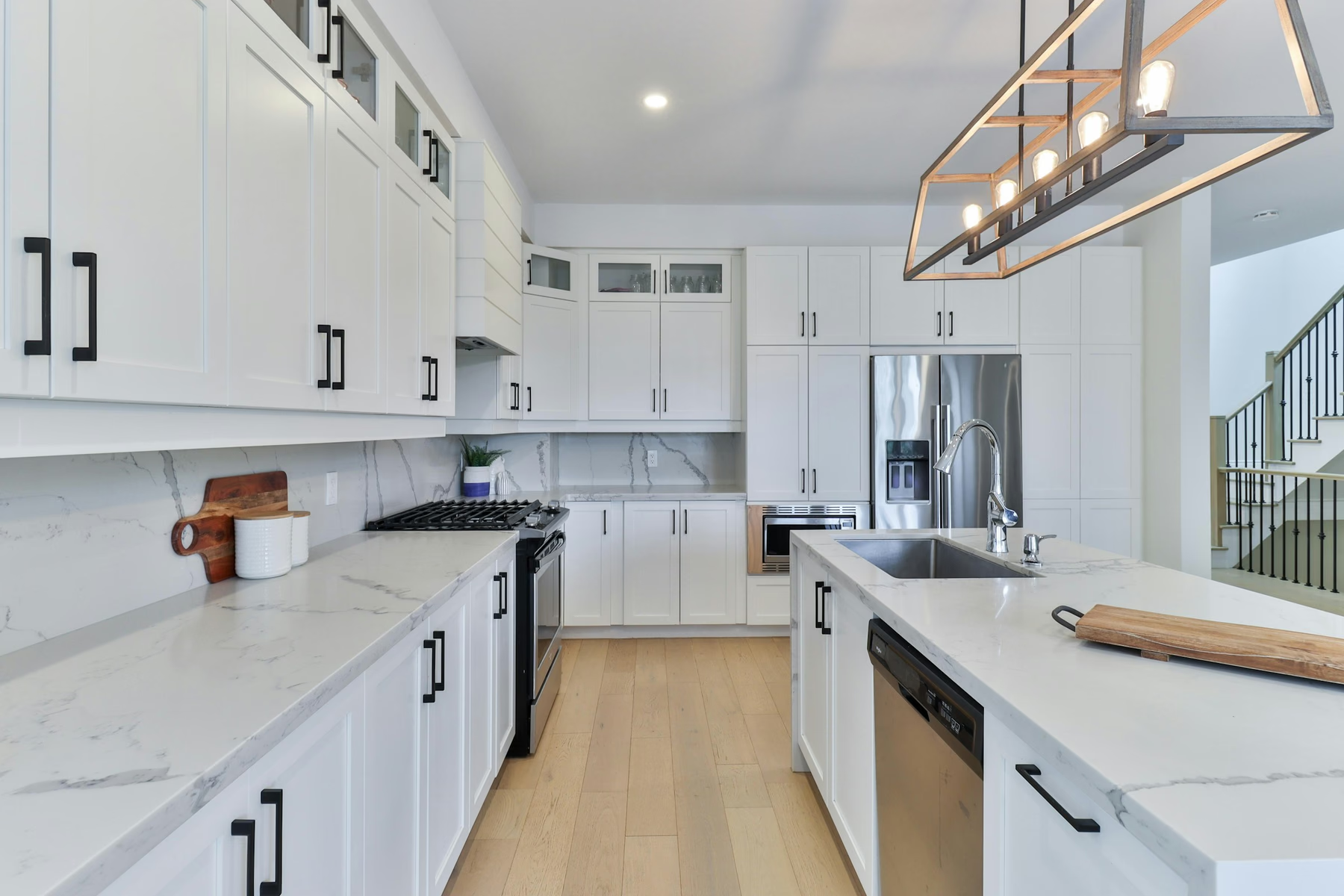
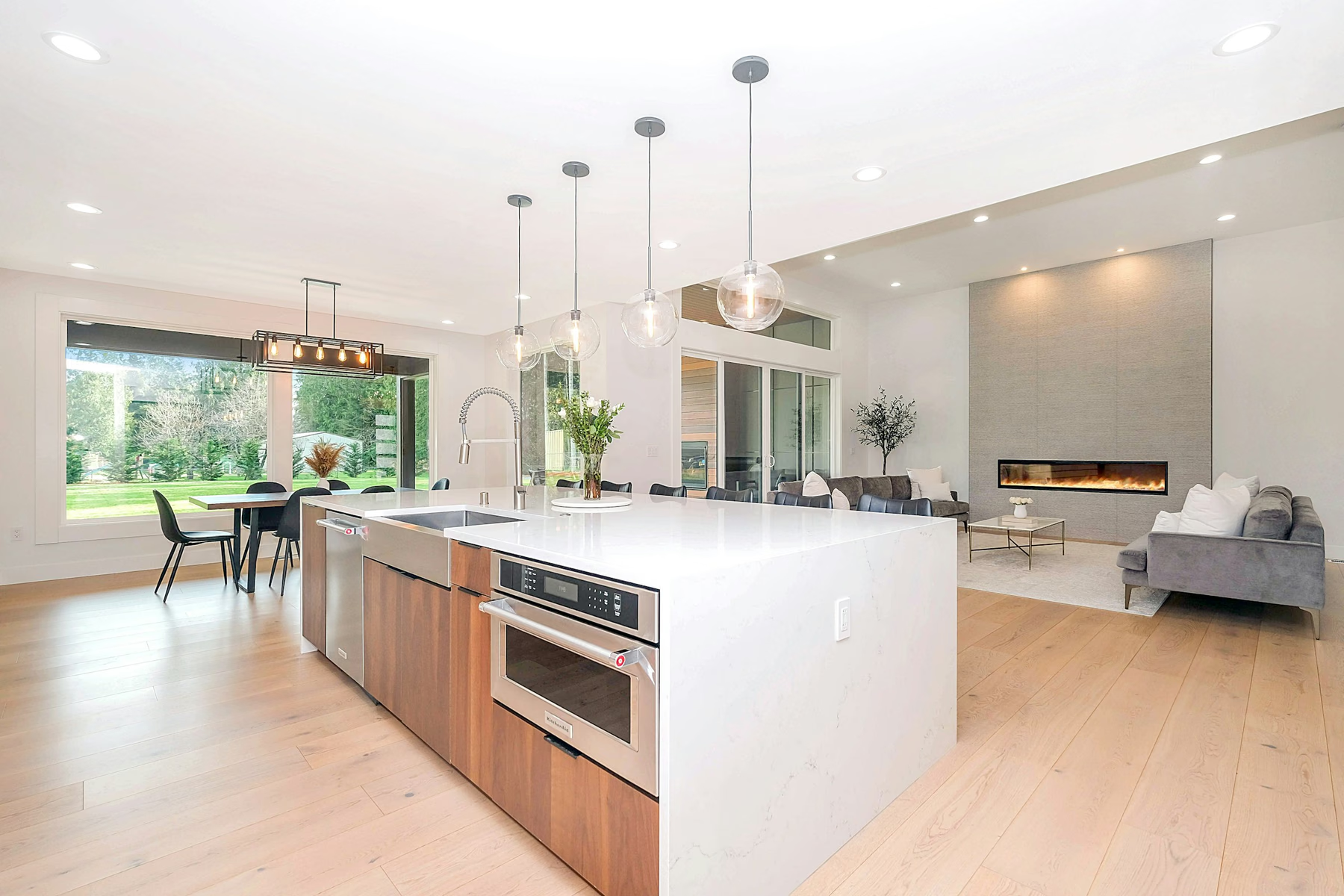
- A waterfall edge carries the countertop down the side of the island to the floor.
- The standard overhang over cabinet doors is roughly 1 to 1.5 inches.
- Seating needs a deeper overhang, around 12 inches or more of knee space.
- Deep overhangs on stone need proper support; ask your fabricator.
Edge profiles
The edge is where you touch the countertop most. A square or eased edge is crisp and contemporary; a rounded (bullnose) edge is softer and forgiving; decorative profiles add a traditional feel. Thicker-looking edges can be built up by laminating extra stone.
Choose the edge you can see and feel in a real sample, because it changes the character of the whole kitchen.
What a waterfall edge is
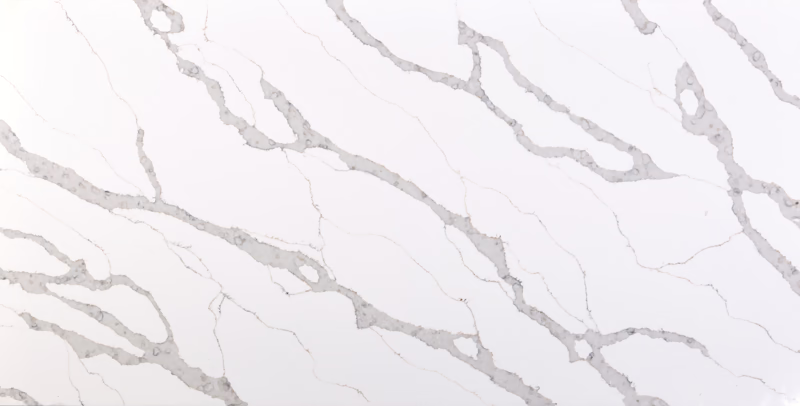
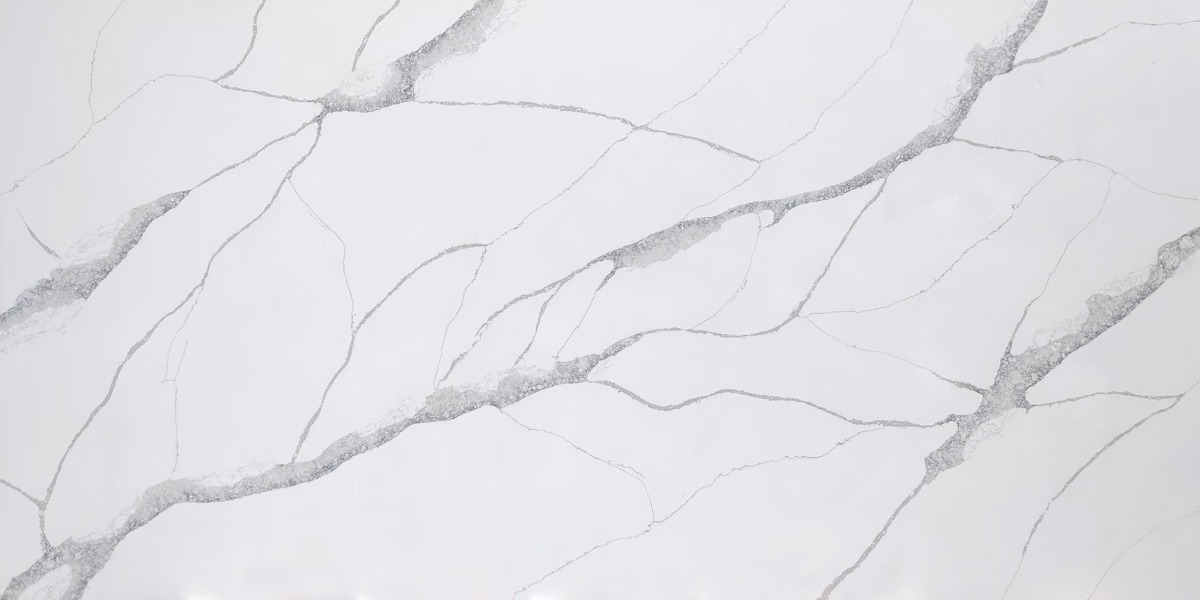
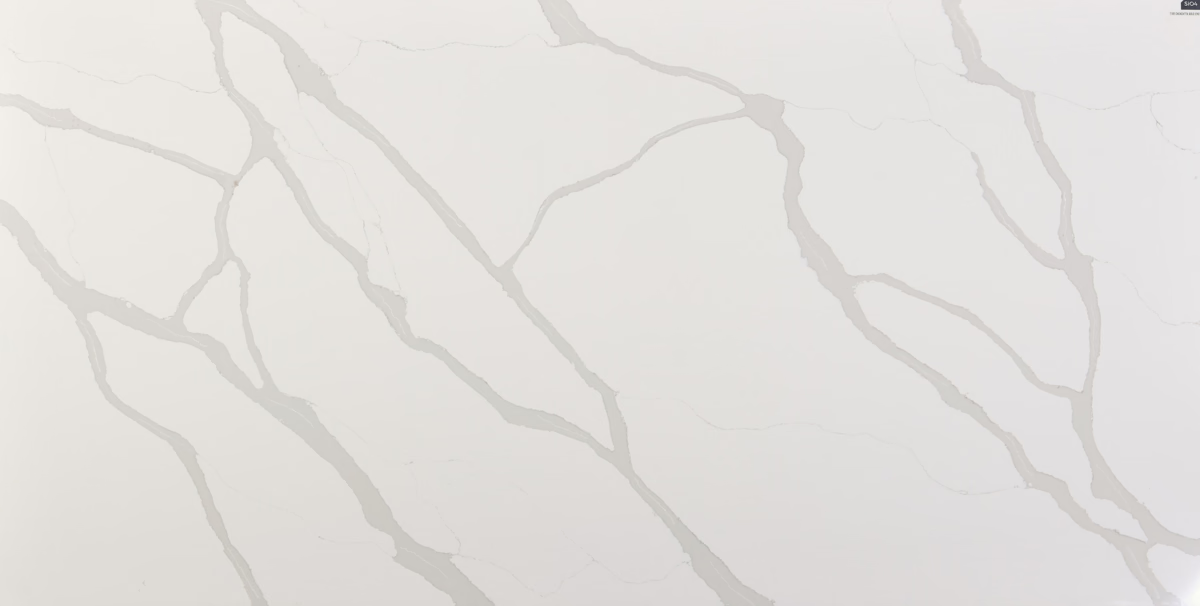
On a waterfall island the countertop continues down one or both sides to the floor, like a sheet of stone. It shows off the pattern of a slab from two directions and works especially well with veined quartz. It also uses more material and needs precise fabrication so the pattern flows around the corner, so it costs more than a standard edge. See what affects the cost of a countertop.
How much overhang do you need?
- Standard overhang above cabinet doors: about 1 to 1.5 inches.
- Seating at a counter-height island: commonly at least 12 inches of knee space, with many designers going to 15 inches for comfort.
- Bar-height counters typically need around 12 inches; table-height seating needs more.
Overhangs beyond about 10–12 inches on 3 cm stone generally need hidden steel brackets or corbels. Confirm the support method with your fabricator before ordering.
Plan it early
Edge profile, waterfall sides and overhang are decided at templating, so settle them beforehand. Our templating checklist shows what to have ready, and our quartz page shows the colours and patterns that suit waterfall designs.
Sources & further reading
- Qualified Remodeler: Countertop layout & design
- SlabWise: What is the standard overhang for kitchen countertops?
General guidance only. Always follow your product manufacturer’s instructions and confirm details for your own project with your fabricator or installer.