Key takeaways
- Quartz is engineered: crushed quartz bound with resin, so colour and pattern are consistent and it does not need sealing.
- Granite is natural: every slab is unique, and most granites benefit from periodic sealing.
- Neither is heat proof, so use trivets with both.
- Choose from the actual slab or a physical sample, not a screen.
What each material actually is
Granite is a natural igneous stone, quarried in blocks and cut into slabs. No two slabs are the same: the movement, speckle and colour you see in a sample will vary across the full slab.
Quartz countertops are engineered. Manufacturers combine crushed natural quartz with resins and pigments, then press and cure the mixture into slabs. Industry sources describe the mix as roughly nine parts quartz to one part resin and pigment, which is why quartz is sold in such controlled, repeatable colours and patterns.
Look and pattern
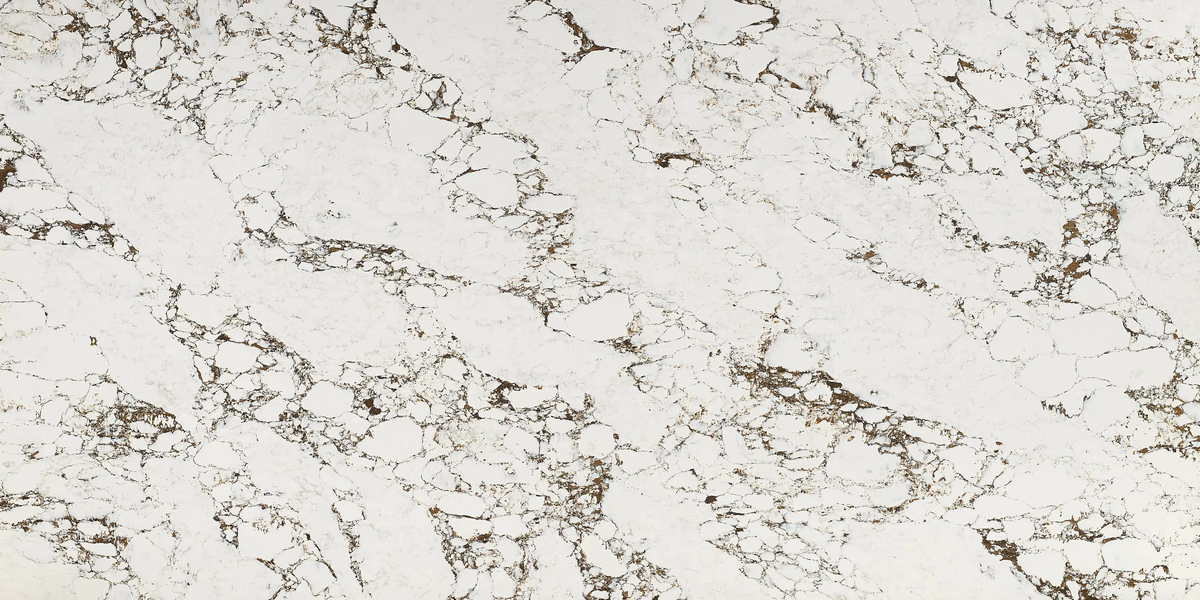
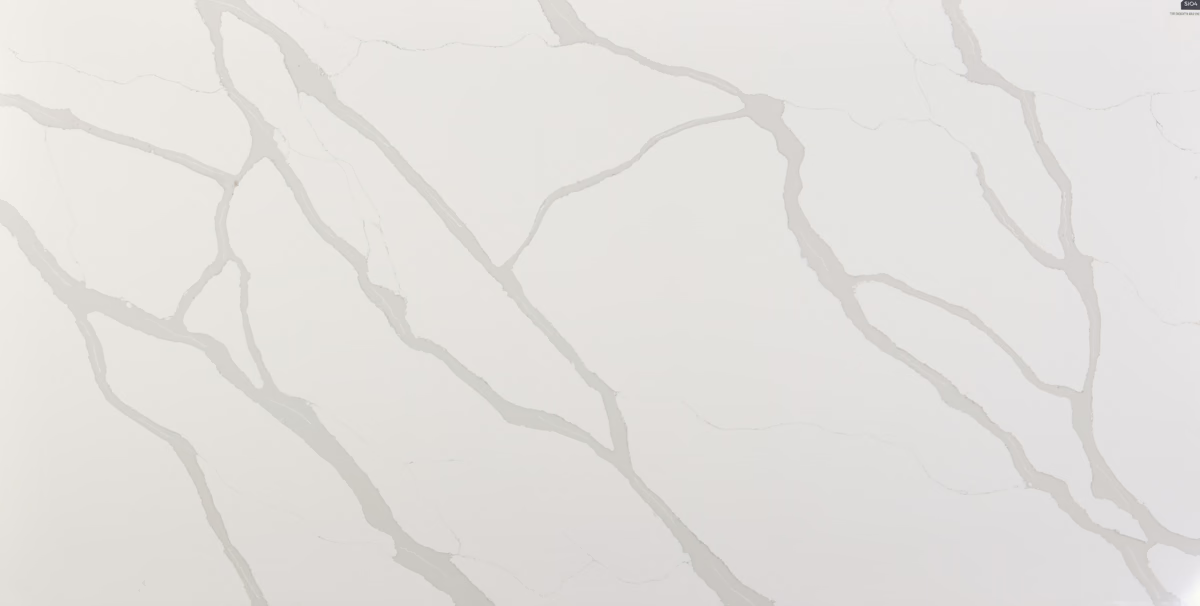
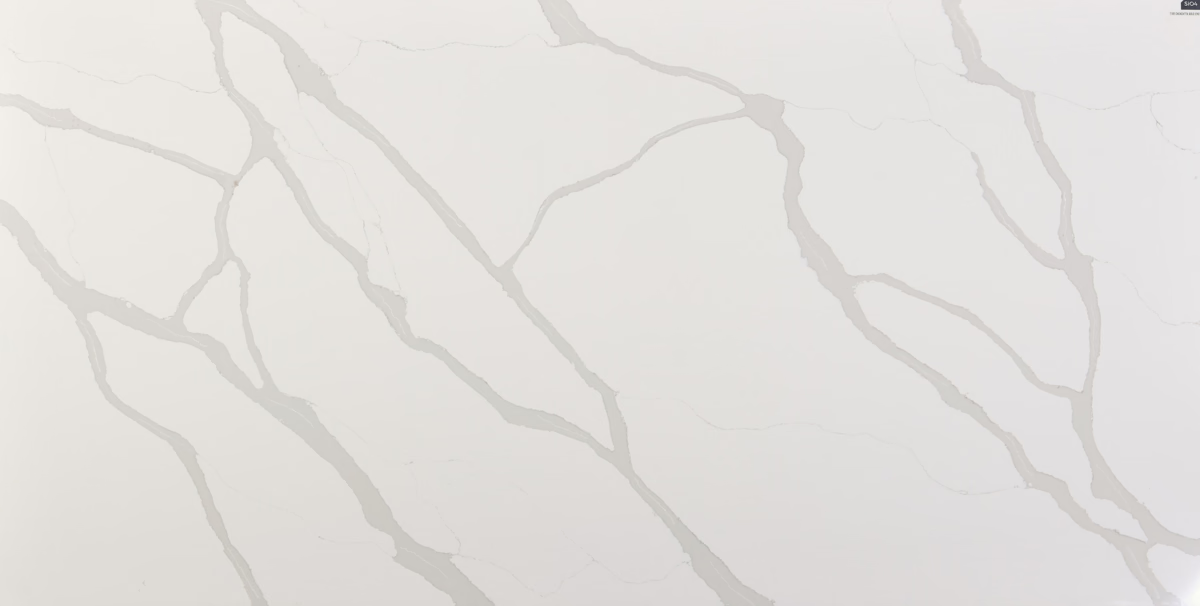
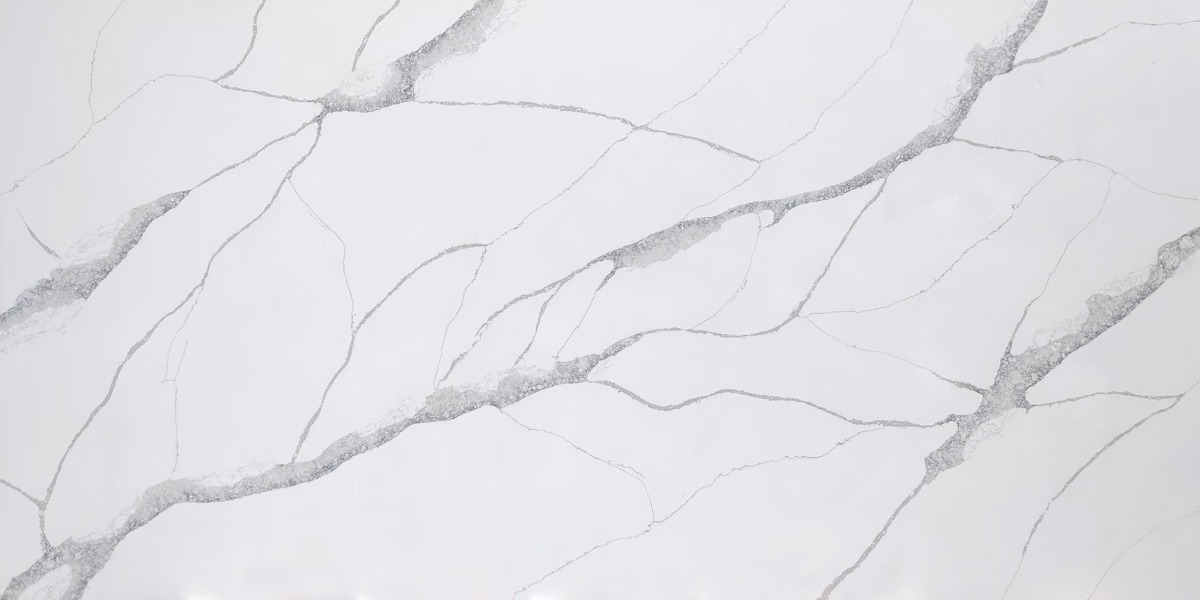
If you want the one-of-a-kind character of natural stone, granite delivers it. If you want a specific look, such as a soft white with fine veining, a calm concrete grey or a bold Calacatta style pattern, quartz is easier to specify, because the pattern is designed rather than found.
That consistency matters when a kitchen needs more than one slab: with quartz, neighbouring pieces and seams are easier to keep visually calm. You can see the range for yourself in our countertop colour collections.
Upkeep: sealing and cleaning
Granite has microscopic pores, so it is usually sealed. Fabricators commonly suggest resealing every one to three years, and lighter, more porous colours may need attention more often. A simple check is to leave a few drops of water on the surface: if it soaks in and darkens the stone, it is time to reseal.
Quartz is non-porous, so major manufacturers say it does not need sealing at all, and they advise against applying sealers, which cannot penetrate the surface. Everyday care is warm water, a soft cloth and mild soap. We cover the details in how to care for quartz countertops.
Heat, impacts and daily wear
Both materials are very hard, but neither is heat-proof. In quartz, the resin that binds the stone can be damaged by prolonged direct heat or sudden temperature swings, so manufacturers ask you to use trivets or hot pads under pots, slow cookers and air fryers. Granite handles heat better, but a trivet is still good practice, and hard impacts on an edge can chip either stone.
Whichever you pick, protect the surface around the sink and cooktop, where heat, water and cleaners concentrate.
How to decide
- Love natural variation and don’t mind occasional sealing? Granite is a great fit.
- Want a predictable, low-maintenance surface in a specific colour? Quartz is usually the easier path.
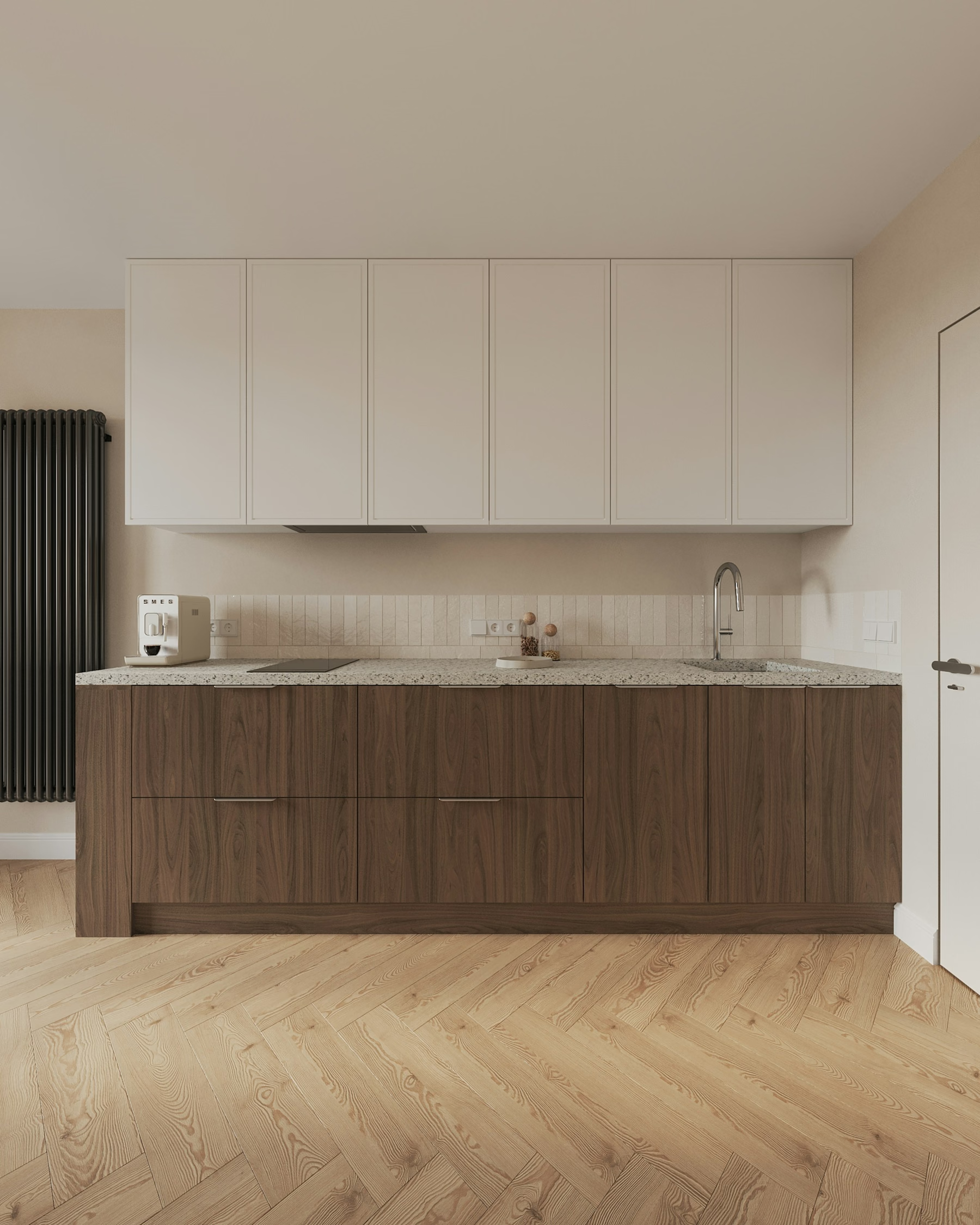
- Pairing with cabinets? Start from the cabinet colour and read pairing cabinets and countertops.
- Budget matters? See what affects the cost of a countertop before you compare quotes.
Sources & further reading
- MSI Surfaces, From crystals to countertops: how quartz countertops are made
- MSI Surfaces: Quartz care and maintenance
- Cambria: Quartz product care
- CEC Tops, Granite countertop sealing: how often and why it matters
General guidance only. Always follow your product manufacturer’s instructions and confirm details for your own project with your fabricator or installer.